
Banana Extract & Madagascar Vanilla Bean Extract
How to Make Banana Extract with Only Two Ingredients!
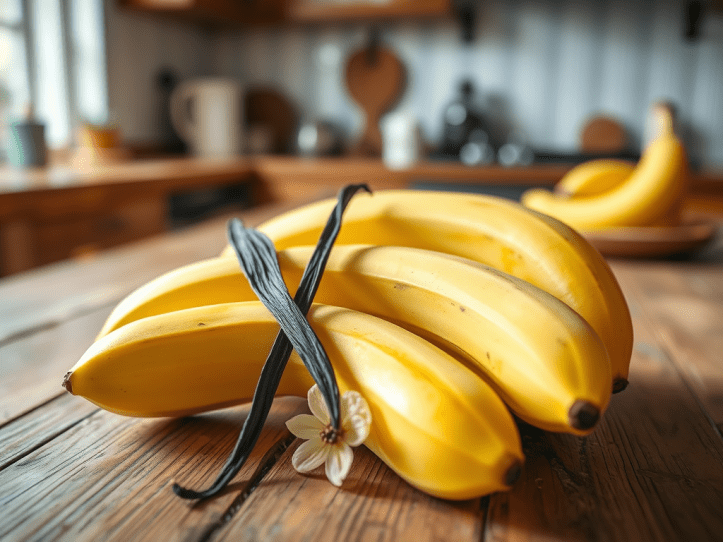
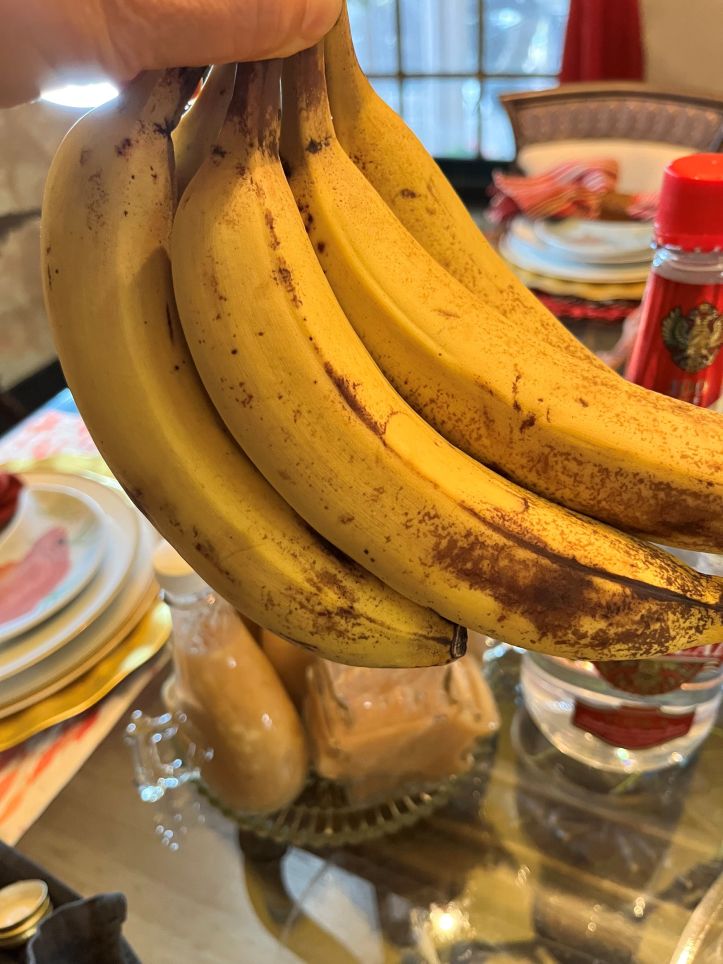
Look for bananas on sale at your local market. Although bananas are generally inexpensive, buying them when they are on sale can be a great opportunity. Bananas that are on sale are often ripe and ready to eat. You can enjoy them right away or preserve them for later use. I have two methods I like to use:
First, freeze them! Ripe frozen bananas make for a delicious snack. Second, you can make banana extract and store it for future use or even give it as a gift. I made banana extract a couple of years ago, and my neighbors loved it!
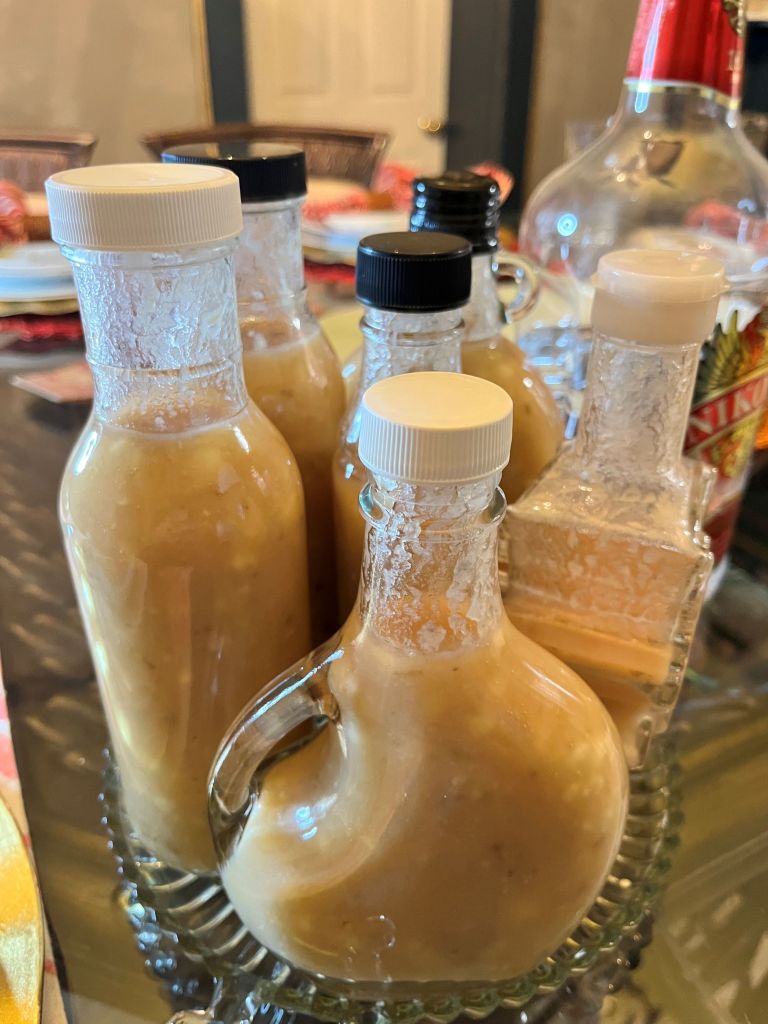
You might wonder why someone would make a fruit extract instead of simply buying imitation extract from the store. For me, it’s not just about the quality; it’s also about the joy of being a homemaker. Cooking, preparing, preserving, and creating are therapeutic and fulfilling activities. Plus, there are many other benefits. Let’s break it down.
Fruit extracts are highly beneficial for baking. They provide a concentrated and convenient way to add rich flavors. There is no need for fresh fruit. They ensure a more uniform flavor throughout the baked goods. They are easier to use than preparing fresh fruit. They can infuse a wide variety of flavors.
Fruit extracts are valuable in baking because:
Concentrated Flavor:
Extracts are created by infusing alcohol or other liquids with the flavor compounds of the fruit. This process results in a potent and concentrated product.
Convenience:
Extracts are liquid and easy to mix. They allow for greater control over flavor intensity. This also ensures even distribution in baked goods.
Flavor Enhancement:
Extracts can amplify the natural flavor of fruit or add a subtle flavor note without overpowering the recipe.
Versatility:
Extracts can be used in a variety of baked goods. Examples include cakes, cookies, muffins, and frostings. They add depth and complexity to the overall flavor.
High-Heat Stability:
Extracts maintain their flavor profile even when exposed to high temperatures during baking.
Natural Flavors:
High-quality extracts are made with natural ingredients, making them a healthier alternative to imitation flavors.
Uniformity:
Extracts provide a consistent flavor throughout the baked goods. In contrast, fresh fruit may vary in taste and texture.
Time-Saving:
Using extracts eliminates the need for washing, chopping, and preparing fresh fruit, saving time and effort.
Banana Extract Usage:
Banana extract enhances the flavor of your creations. It adds a rich banana-like taste without the added moisture from fresh bananas. This makes it a versatile ingredient for both baking and beverages.
In Food and Drink:
- Baked Goods: Banana extract can be used in cakes, cookies, muffins, banana bread, and, more, intensifying their banana flavor. It is often added to frostings or fillings as well.
- Smoothies and Beverages: A few drops of banana extract can add a tropical twist to smoothies and milkshakes. It can even enhance cocktails or mocktails.
- Desserts: Incorporate banana extract into puddings, custards, banana cream pies, and ice cream for a concentrated banana flavor.
- Other Applications: It can also be utilized in making candy, gummies, and even lip balms.
How to Make Homemade Banana Extract:
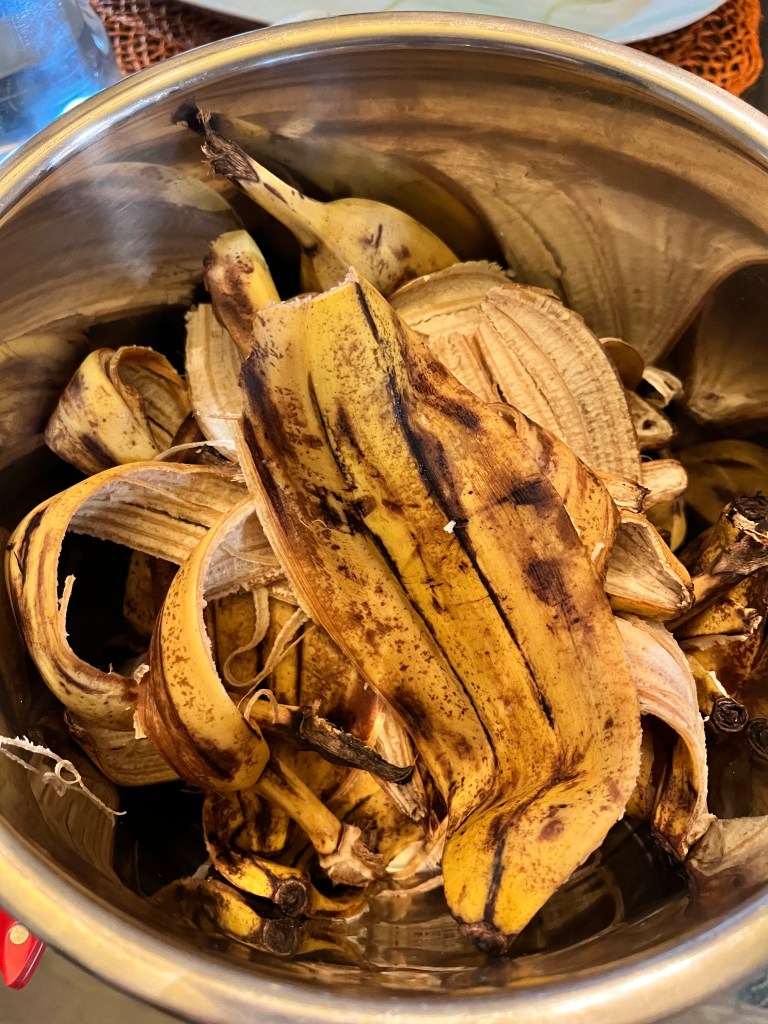
You will need:
- Ripe bananas
- Vodka (or rum)
- A clean, sealable glass jar
- A fine-mesh strainer
Pro Tip: I save all my glass jars from salad dressing, maple syrup, and olive oil for reuse. By saving these jars, I save money on expensive new jars and lids. Recycle, Reuse, and Restore.
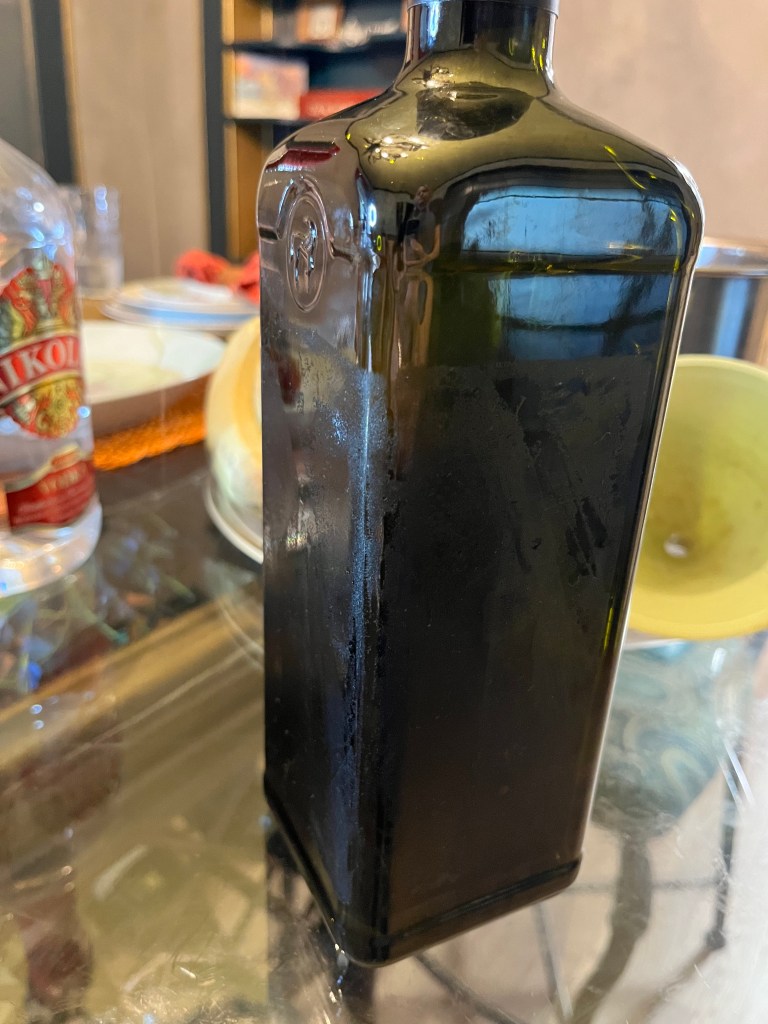
Preparation Steps:
- Prepare the bananas: If using fresh bananas, mash them into a puree.
- Fill the jar: Add the prepared banana to the jar, filling it halfway.
- Add the alcohol: Pour vodka or rum into the jar. Make sure the bananas are completely covered. Leave about 1/2 inch of space from the rim.
- Steep and shake: Seal the jar and store it in a cool, dark place for 3-4 weeks. Shake the jar daily or every other day to keep the bananas submerged and evenly distribute the alcohol.
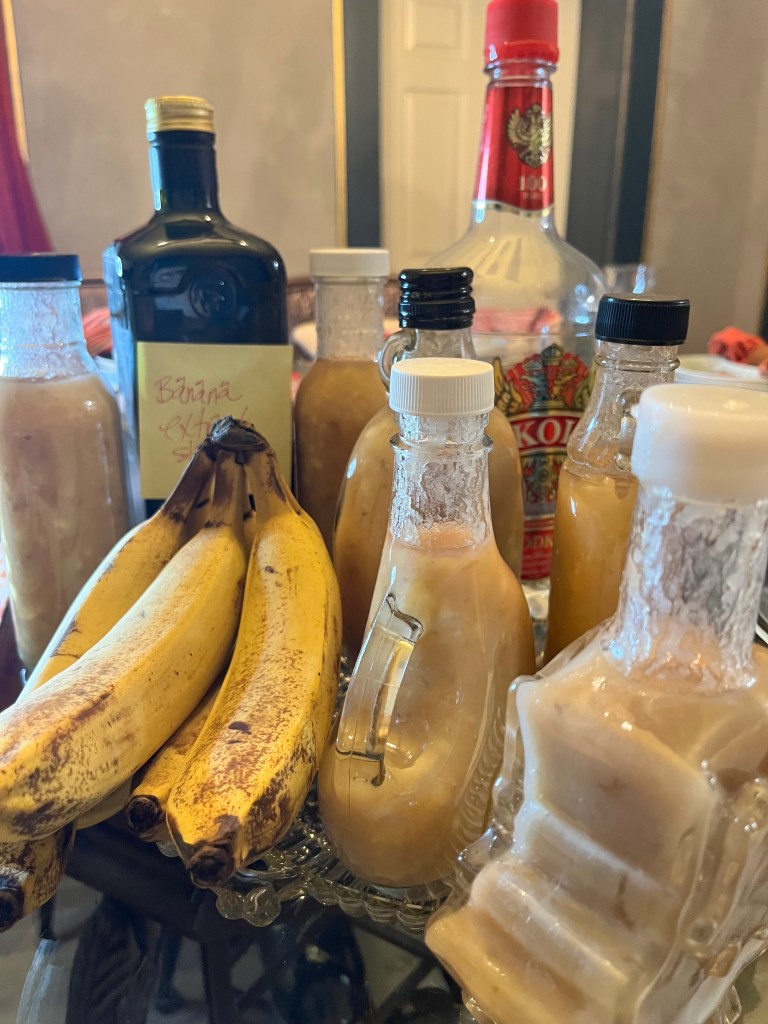
- Strain: After 3-4 weeks, the vodka will turn a yellowish color as the banana flavor infuses. Strain the liquid through a fine-mesh strainer to remove the banana solids.
- Second strain (optional): Strain the extract again into the container in which you plan to store and use it.
- Store and enjoy: Label the container and store the extract in a cool, dark place. Homemade extracts can last for 6-12 months or potentially longer if stored properly.
Handy Tips:
- Ripeness matters: Overripe bananas are ideal for making banana extract as their flavor intensifies with ripening.
- Alcohol choice: Vodka is recommended for its neutral flavor, allowing the banana flavor to shine. Rum can be used for a more complex, tropical flavor.
- Alternative methods: Some recipes suggest using banana peels to make extract, which can also impart banana flavor with minimal texture.
- Double-fold extract: For a stronger, sweeter flavor, you can repeat the process with the extracted liquid and fresh bananas.
Let me know how you like to use banana extract! Share your favorite recipe with me and tell me if you’ve tried something new!
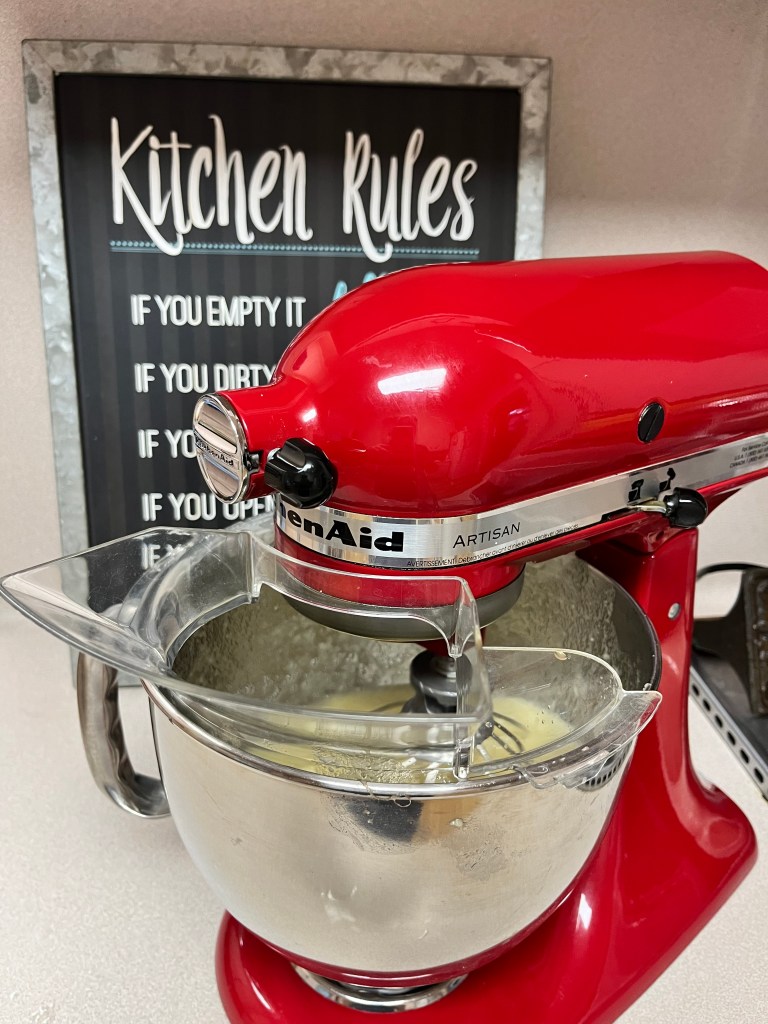
I personally love making banana bread with walnuts or pecans. Adding banana extract definitely enhances the flavor, making it an even more delightful treat. Below is the full video on how I made this batch. Check it out!
Madagascar Vanilla Bean Extract
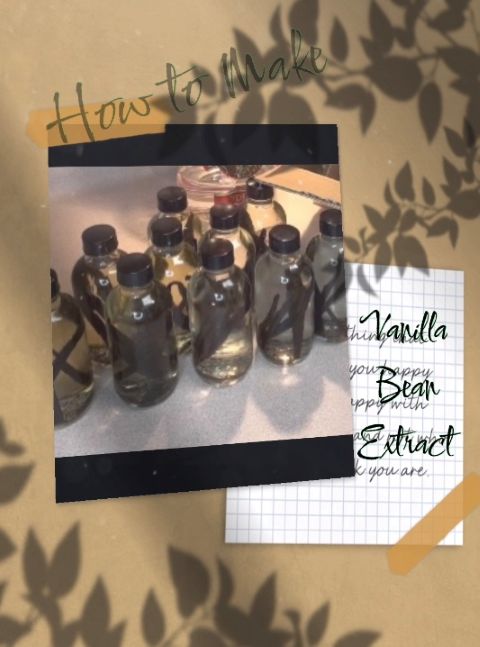
How to Make Vanilla Bean Extract with Only Two Ingredients!
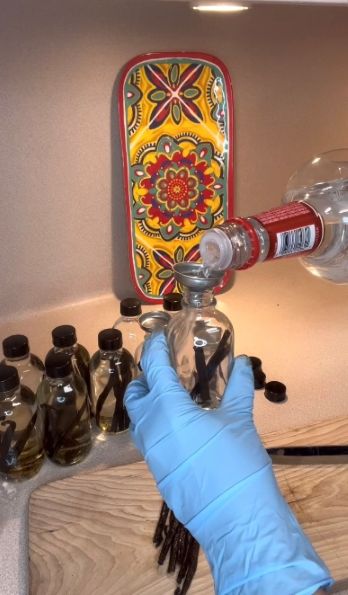
Simply slice the bean in half, exposing the bean and infusing it with vodka.
I love to add vanilla extract to my waffle batter, cookie batter, hot chocolate, cake mixes, cold drinks, and more! I remember when I was a kid; there was always a small glass bottle of vanilla in the spice cabinet. Sometimes, I would unscrew the top and inhale the delightful aroma. The liquid was a rich blend of browns and amber, and I adored that little glass bottle. However, when I grew up and started shopping for myself, I mainly found large plastic bottles of vanilla. The scent wasn’t as rich, and the color didn’t seem as natural.
Then, I began to notice farm stands along the road advertising “Mexican Vanilla.” I realized there was more than one kind! I started baking more in my early twenties. As the years continued, I paid closer attention to flavors, textures, quality, and aromas. I understood that better ingredients lead to better taste. I conducted research to determine the best type of vanilla. Most of my findings pointed to Madagascar Vanilla as the superior choice. After ordering it, I can now confirm that it lives up to its reputation.
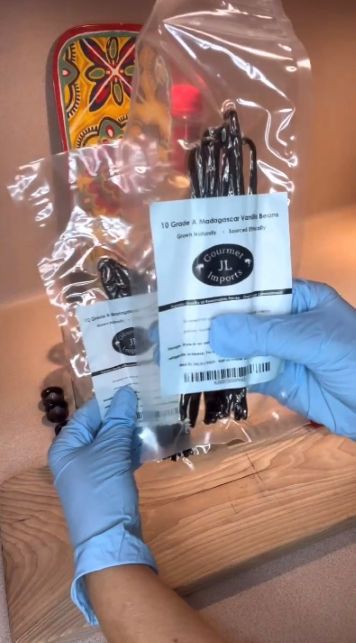
I have tasted imitation vanilla. I have also tasted Mexican vanilla and Madagascar vanilla. I believe that Madagascar vanilla beans truly deliver a rich, authentic vanilla flavor. Feeling inspired, I decided to make my own vanilla extract. I knew I would enjoy it, and anyone who tasted my dishes with this wonderful ingredient would appreciate it too.
Making vanilla extract isn’t difficult. You need to gather a few simple tools. Visit the liquor store, and get started! Vanilla extract is a flavorful liquid made by infusing vanilla beans in a mixture of water and alcohol. It’s a popular ingredient in baking and cooking, adding a rich vanilla flavor to desserts and other dishes.
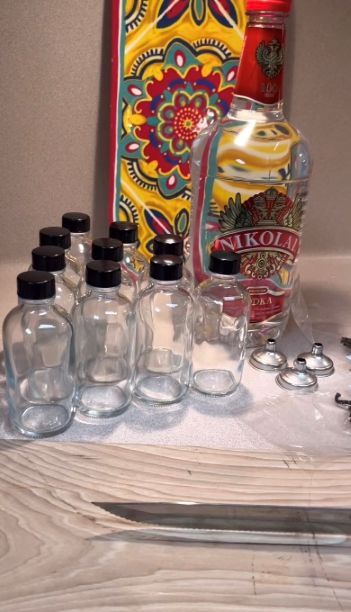
Infusion: Vanilla extract is created by soaking vanilla beans (specifically, the pods) in an alcohol and water solution.
Key points about vanilla extract:
- Quality: Pure vanilla extract requires a minimum of 35% alcohol. It also needs 100 grams of vanilla beans per liter. This is according to the FDA in the United States.
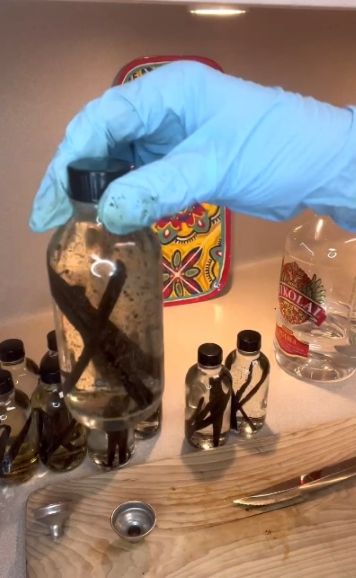
- Homemade: You can make your own vanilla extract at home by steeping vanilla beans in vodka or another alcohol.
- Flavor Profile: The flavor of vanilla extract can vary depending on the origin of the vanilla beans. For example, Mexican vanilla has a woodsy flavor, while Madagascar vanilla has a creamy, sweet taste.
- Storage: Vanilla extract should be stored in a cool, dark place to maintain its flavor.
Food Preservation: Vanilla extract is a form of preserved food. Its high alcohol content acts as a natural preservative. Pure vanilla extract, which legally requires a minimum of 35% alcohol, has a virtually indefinite shelf life when stored properly. While the flavor can degrade over time with improper storage, the extract itself is unlikely to spoil.
Let’s Re-Cap!
Extend Shelf Life
I use various techniques to extend the shelf life of our food, ensuring its nutritional value, flavor, and preventing spoilage. The methods I employ for food preservation include freezing, drying, canning, pickling, and fermentation. I appreciate the many benefits of food preservation, which include but are not limited to the following:
- Reduces food waste: Extends the lifespan of food, minimizing spoilage and waste.
- Increases food security: Ensures a stable supply of food even during shortages.
- Provides food supply during off-seasons: Guarantees a consistent supply of food throughout the year.
- Reduces production costs: Helps to lower expenses associated with food production.
- Decreases the need for frequent purchases: Saves money on food costs by allowing for bulk storage.
- Maintains nutritional value: Proper preservation methods can help retain the nutrients in food.
Common Food Preservation Methods:
- Freezing: Inhibits bacterial growth and preserves food quality for several months.
- Drying: Removes moisture from food, slowing spoilage and making it shelf-stable.
- Canning: Involves heating food in jars to kill bacteria, then sealing the jars to create a vacuum.
- Pickling: Preserves food by soaking it in a brine, often vinegar-based, which adds flavor and texture.
- Fermentation: Utilizes beneficial microorganisms to extend the shelf life of food and create unique flavors.
- Chilling: Refrigeration slows down bacterial growth and preserves food freshness.
- Sugaring: Uses sugar’s ability to inhibit microbial growth.
- Salting: Draws moisture out of food, creating an environment that is unfavorable for bacterial growth.
You can make a large batch to gift to a friend. Alternatively, create a baking basket with a banana or vanilla theme. I’d love to hear your ideas for sharing this delicious food!
There’s a NEW CHANNEL in Town!
Like, share, and subscribe to my new YouTube channel
https://www.youtube.com/@universityofwellness
This channel will explore various ways and modalities for achieving wellness, including diet, sleep, fitness, spirituality, genetics, and more. My name is Renee Nolte, and I am a Certified Holistic Health Coach and Master Martial Artist. I have dedicated 30 years to teaching students. I show them how to develop their best selves through wholesome principles. This encompasses human and cellular physiology, kinesiology, physical fitness, and overall wellness. I began my journey into naturopathy early in my career. As a business owner, I have a unique story about this experience. I also have inspiring stories from those I have helped. Together, we will explore visual, auditory, applied, and meditative practices. Our aim is to achieve mastery and develop unconscious competence in attaining homeostasis. I invite you to subscribe and follow along for insights on self-reliance, nutrition, and much more.

